
There is no doubt that the European energy system is undergoing a period of transition. What exactly it is transitioning into, however, remains unclear. In this insight, Bax Energy Consultant Anso Kneip explores why stronger collaboration between cities and Distribution System Operators (DSOs) is becoming essential for Europe’s evolving local energy economy.
Rising numbers of European countries are facing systemic grid congestion, with far-reaching consequences on the horizon if they are not addressed strategically and swiftly. The decentralisation of energy production, electrification across sectors, and increased focus on energy security are contributing to a more localised European energy system.
With over 75% of Europe’s population residing in cities and competing for space with businesses, urban areas are under growing pressure from the ongoing energy transition. New businesses and housing developments are increasingly unable to connect to local energy grids, deepening an already-critical European housing crisis and resulting in missed business opportunities for EU companies.
Efforts to ensure affordable energy prices and create an emission-free energy system- cornerstones of the EU Affordable Energy Action Plan– are currently falling behind target. Environmental and societal objectives are being pushed aside, as past energy crises have forced governments to act reactively and invest further in fossil fuels, in turn reinforcing fossil fuel dependency. Recent developments in the Middle East and the ongoing closure of the Strait of Hormuz have led to significant rises in energy prices, highlighting the fragility of the European energy system.
While not initially obvious, the local energy transition represents an important opportunity for European cities.
When cities take on a leadership role, they can harness investments already flowing into the energy system and retain more value locally. Essentially, cities can create a local energy economy.
In addition to bringing significant economic benefits, acting as local energy orchestrators allows cities to prioritise their goals, such as reaching climate targets, supporting local businesses, or fighting energy poverty.
To help cities realise this value, Bax is developing a City Energy Bill for long-term collaborators, including the City of Dordrecht in the Netherlands. This interactive and customisable overview allows cities to assess the potential of their local energy economy, track the flow of investments, and explore strategies for a greener and more affordable local energy system.
Currently, the more energy is imported by a city from beyond its municipal or even national borders, the less ownership it has over its assets. Additionally, these cities become more vulnerable to changes beyond their control. For these reasons, now is the time for cities to evolve from passive energy consumers to essential system managers.
Empowering European municipalities to lead the transition to green, locally-powered energy systems
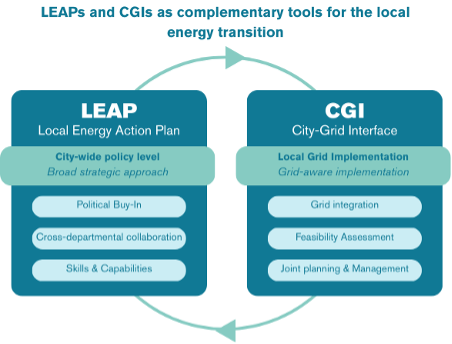
Enter the COPPER project, an initiative funded by the Interreg North Sea Programme to address this very challenge. Over four years, the cities of Ghent, Antwerp, Dordrecht, Bremen, Fredericia, Varberg, and Trondheim, supported by eight knowledge partners, are testing Local Energy Action Plans (LEAPS), strategic tools allowing cities to become energy system coordinators. LEAPs function as playbooks for city-led energy planning, bringing together all relevant city departments and external stakeholders to discuss investments, digital tools, skills, and responsibilities.
While technological solutions are mostly ready to be implemented, the local energy transition demands innovative collaboration methods. The changing system is resulting in new responsibilities for cities, changing the relationship they have with Distribution Systems Operators (DSOs). Traditionally, DSOs have primarily been responsible for managing the grid.
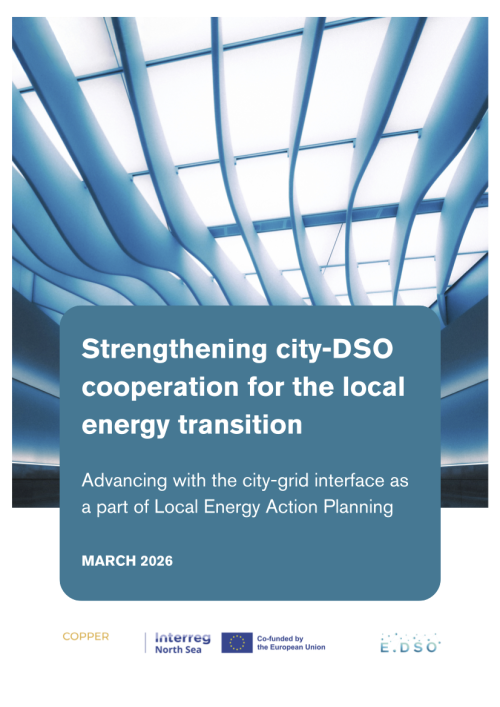
Through the COPPER project, Bax had the opportunity to collaborate with E.DSO, a partner in the initiative, in the production of a white paper titled “Strengthening city-DSO cooperation for the local energy transition”, which specifically analyses this relationship. Interviews with 7 European DSOs revealed the challenges and opportunities involved in moving city-DSO collaboration from ad hoc projects towards joint strategic planning.
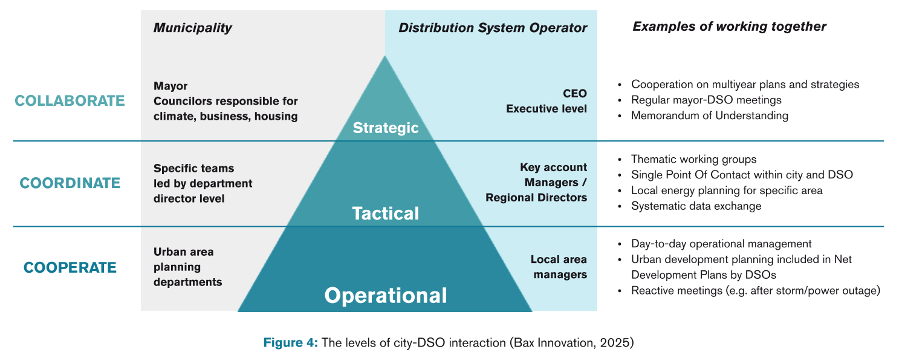
Fragmented stakeholders, diverging priorities, data silos and rigid existing systems are all challenges that must be tackled for collaboration to flourish. However, cities and DSOs are realising that effective partnerships can unlock significant opportunities, with the potential to not only benefit stakeholders, but also to advance the entire energy transition.
Improved city-DSO collaboration can enhance grid stability, competitiveness, local resilience, and energy security, as the energy system is planned collaboratively and as a process, rather than addressing one project at a time.
E.DSO provides a new framework for cities and DSOs to enhance their relationship: the city-grid interface (CGI). It is an extension of LEAPs, translating any city project that affects the grid into implementable actions.
Bax and the energy sector
Bax Innovation serves as a strategic partner and project manager within the COPPER project, leveraging our expertise in multi-stakeholder initiatives to help municipalities and DSOs pilot energy action planning and ensuring that complex strategies are translated into tangible, on-the-ground results. We were pleased to play a pivotal role in the design and authorship of the E.DSO white paper, helping to distill lessons from frontrunner DSOs across Europe into an actionable framework.
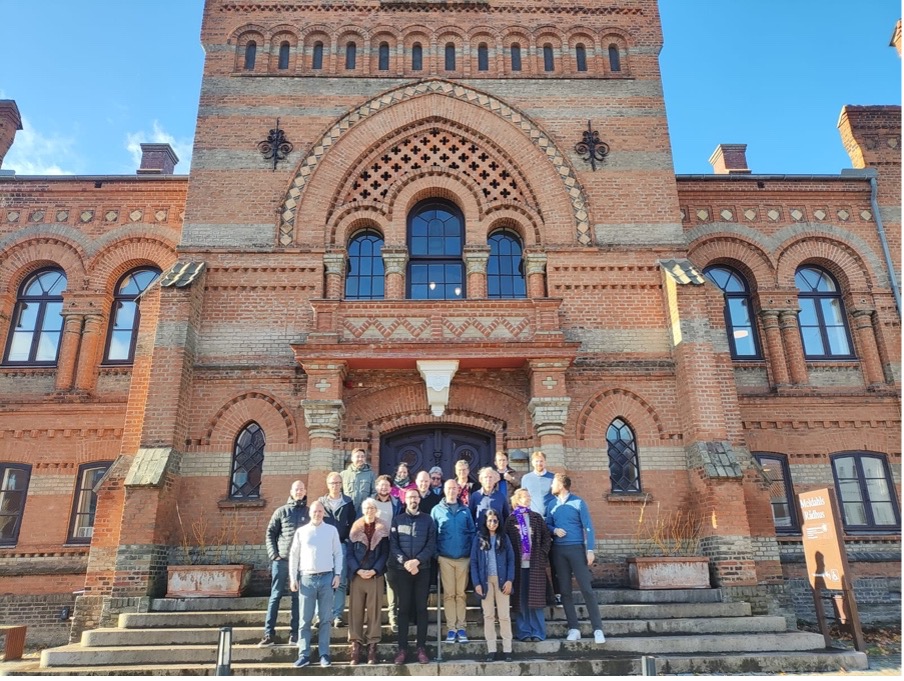
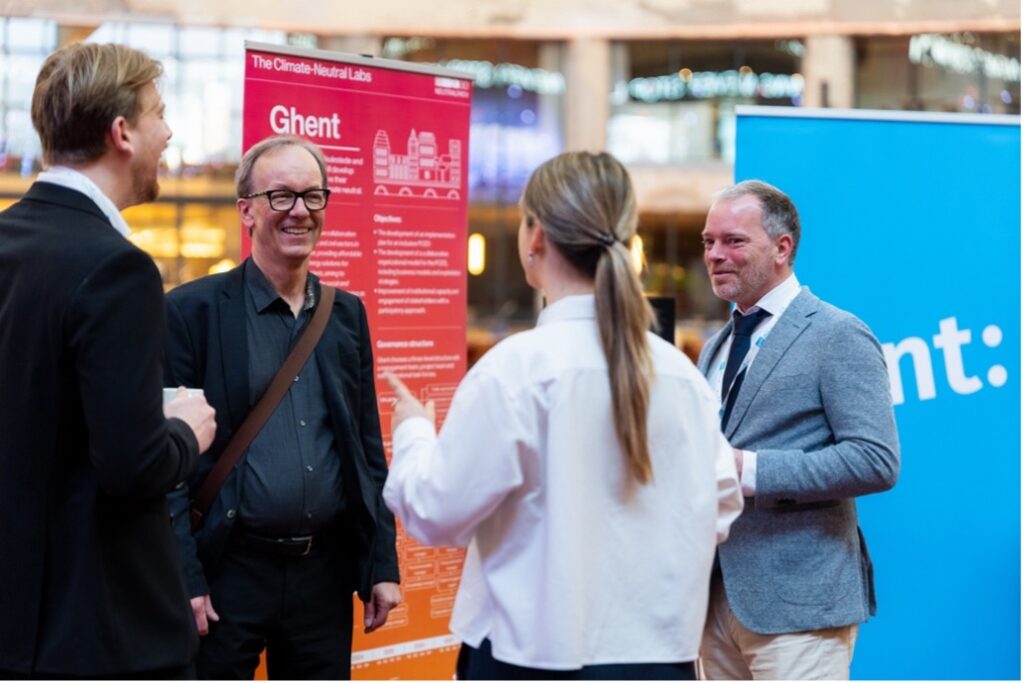
Within the realm of the COPPER project, we also supported the lead partner, the City of Ghent, in the organisation and conceptualisation of the first Conference on City Energy in March 2026. The event brought together European mayors, DSO representatives, EU policymakers, members of the civil society, and civil servants to discuss one pivotal topic: cities’ increasing role in the energy transition
As Europe’s energy landscape becomes increasingly decentralised, cities and DSOs will play a defining role in ensuring that the transition remains both economically competitive and socially inclusive.
By creating and leading European-funded projects that address the energy transition from various angles including governance, financing, and technological solutions, the Bax Local Energy Systems Team stays on top of the most important developments across the energy sector. We connect EU policy developments to local projects, synthesising knowledge and lessons learned from across Europe.
As experts in innovation for systemic change, we look beyond one-off pilots to ensure that energy systems are continuously designed for people.
Explore the full E.DSO study below.
Get in touch
If you are interested in playing a role in this transition, get in touch with us.


