Client: Cevasa and BitHabitat
Date: April 2026
Location: Barcelona, Spain
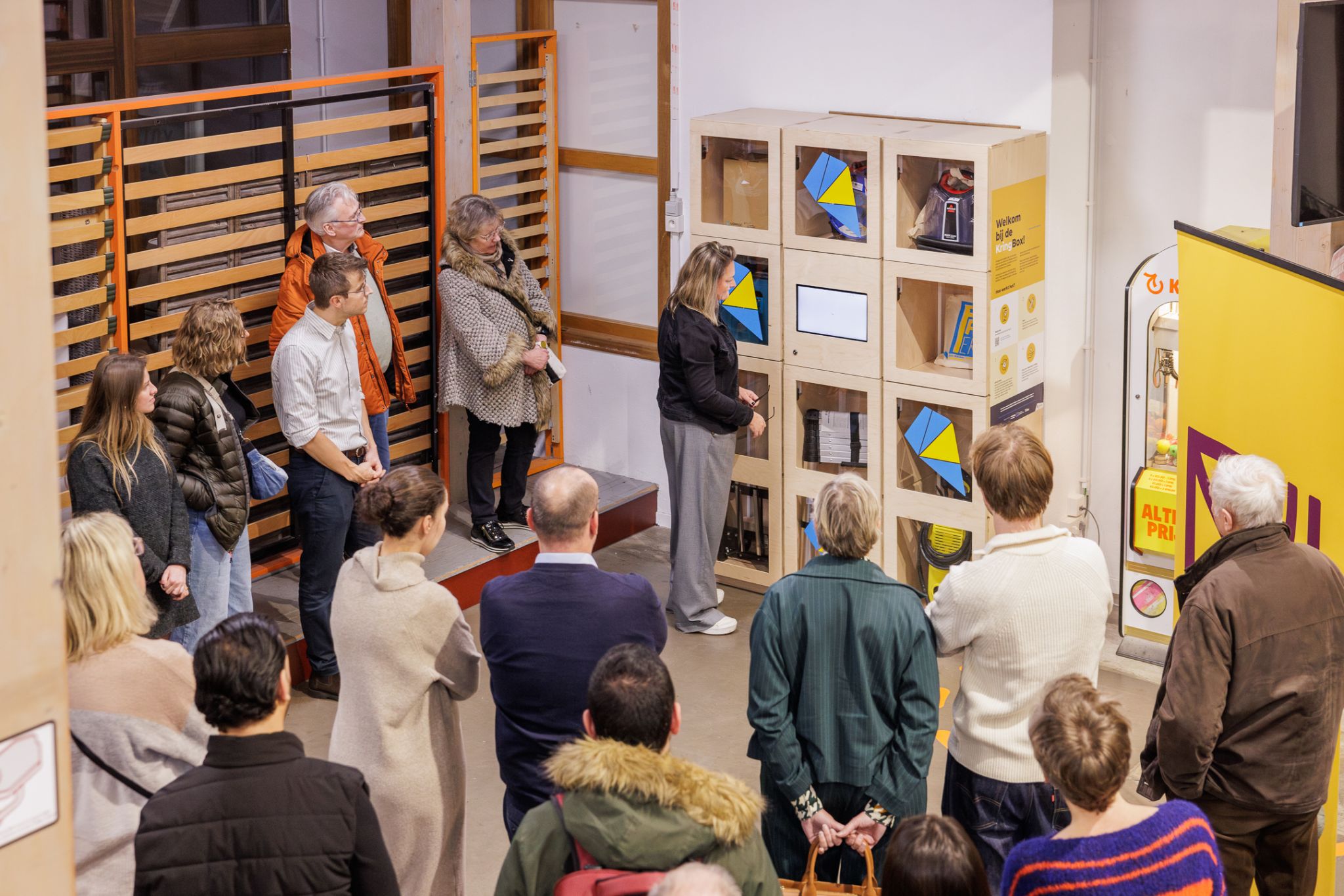
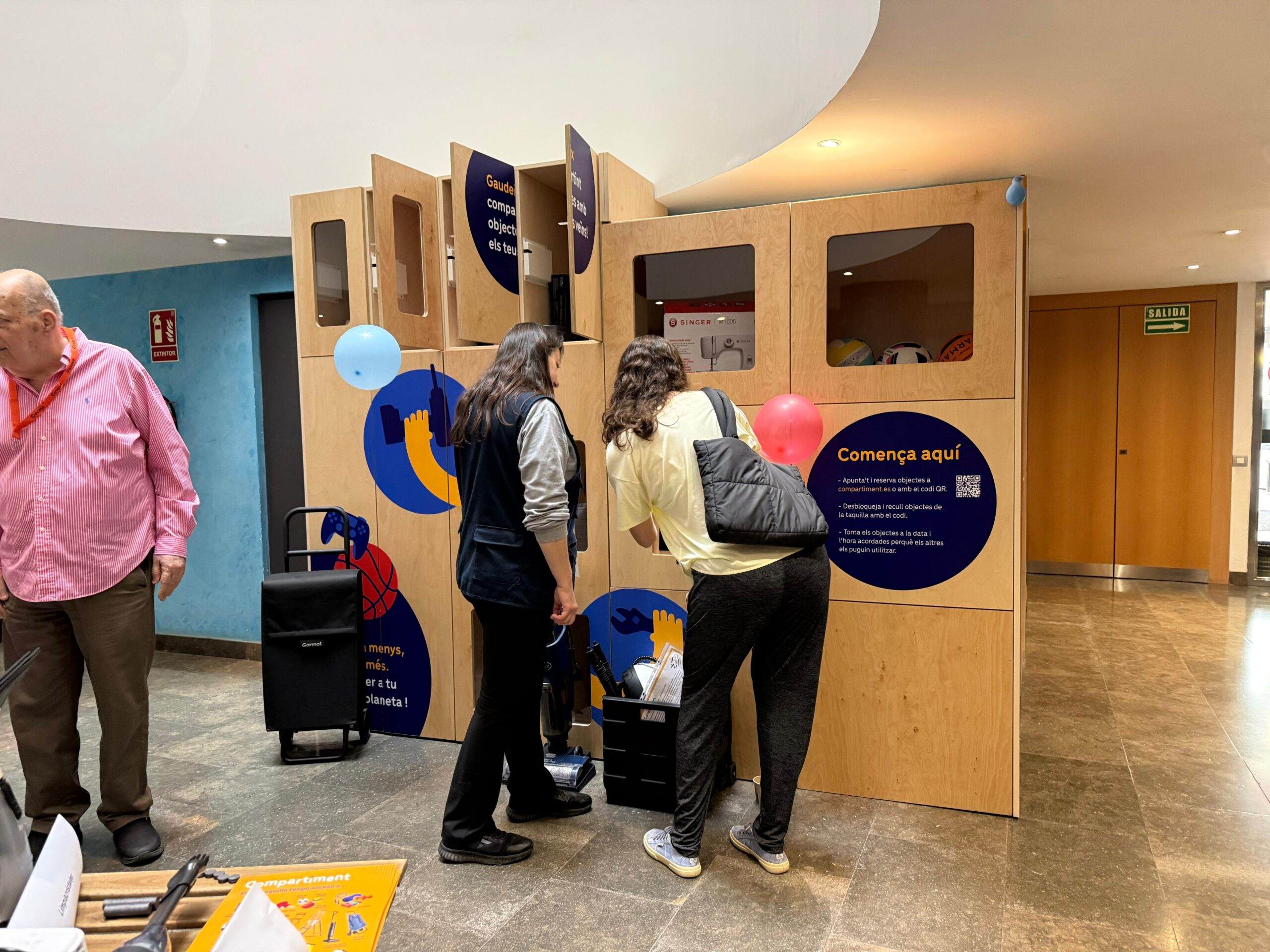
Compartiment is a free sharing station deployed in a residential building lobby in Barcelona, giving residents access to a wide range of items, from cleaning equipment and tools to sports gear and games. While the service had a lot to offer residents, usage rates were not meeting expectations. The question was not whether the service was useful, but why more residents weren’t using it. In fact, the majority of residents found the service very attractive, but they all had barriers to using it.
Challenge
Getting people to adopt a new circular service is about more than visibility or convenience. With Compartiment already up and running, the challenge shifted to understanding the real barriers holding residents back, barriers that wouldn’t be captured by a simple satisfaction survey. We needed to uncover not just what people say, but what they do, feel, and believe in relation to sharing and borrowing within their community.
Approach
To go deeper than surface-level feedback, we applied Social Practice Theory, examining how people’s competencies (knowledge and skills), available resources (materials, tools and infrastructure), and cultural meanings (shared beliefs, values and expectations around sharing) shape adoption. This allowed us to look at adoption not as an individual choice, but as a social practice shaped by context. We conducted semi-structured WhatsApp interviews with three groups: super users, one-time users and non-users, capturing a broad spectrum of experiences and attitudes. We also gathered observations on users’ actual interactions with the service: what worked, what didn’t and what felt uncertain.
Impact
The insights revealed a clear picture: residents wanted more practical household items rather than leisure goods; many felt uneasy entering their credit card details despite the service being free; hygiene concerns around shared objects were a recurring worry; and crucially, people simply forgot what was available in the station. There was also a missing communication channel, users didn’t know how to reach the team if something went wrong. On the positive side, the software experience was rated highly and residents felt well-informed about how to use the system.
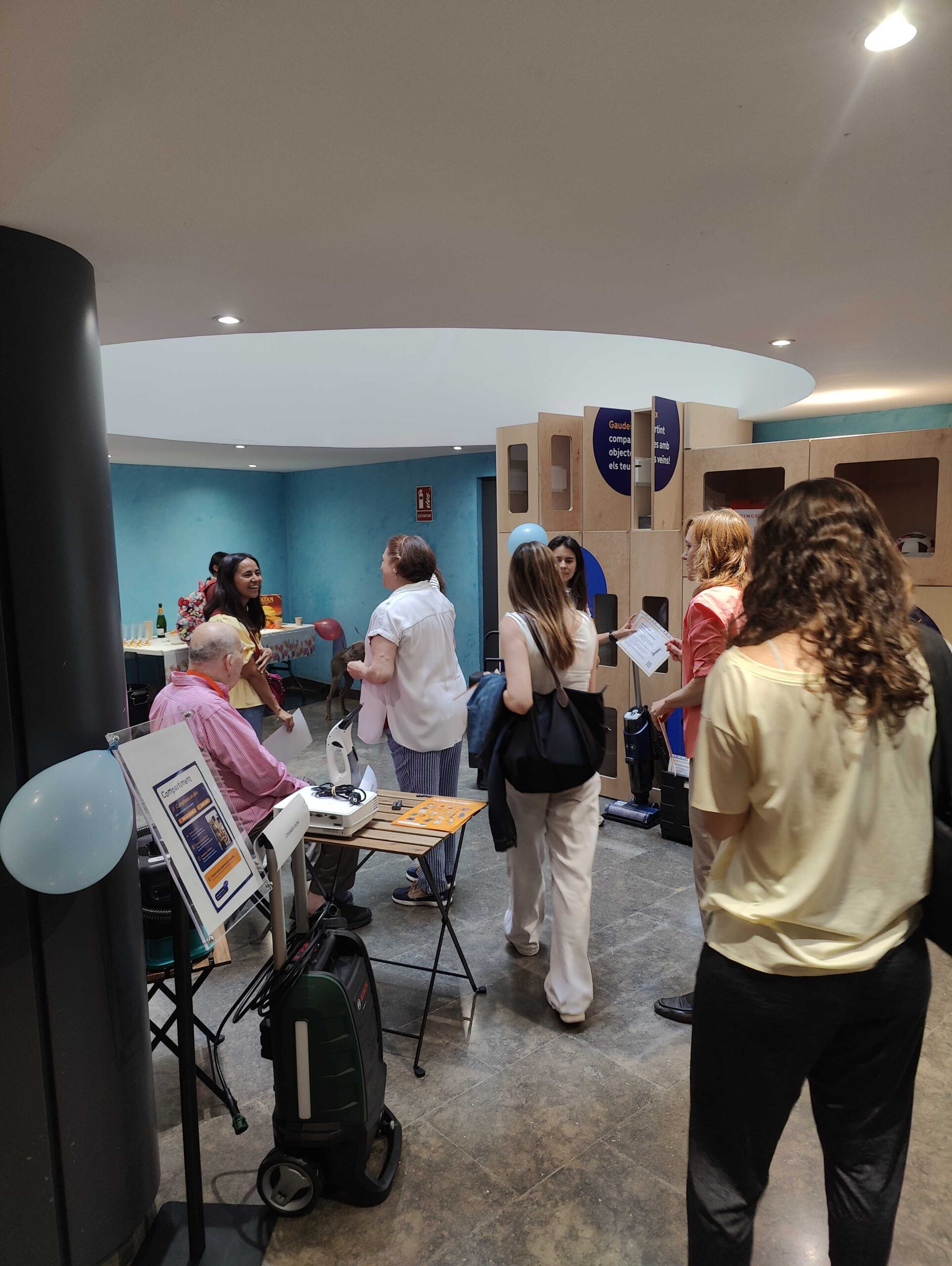
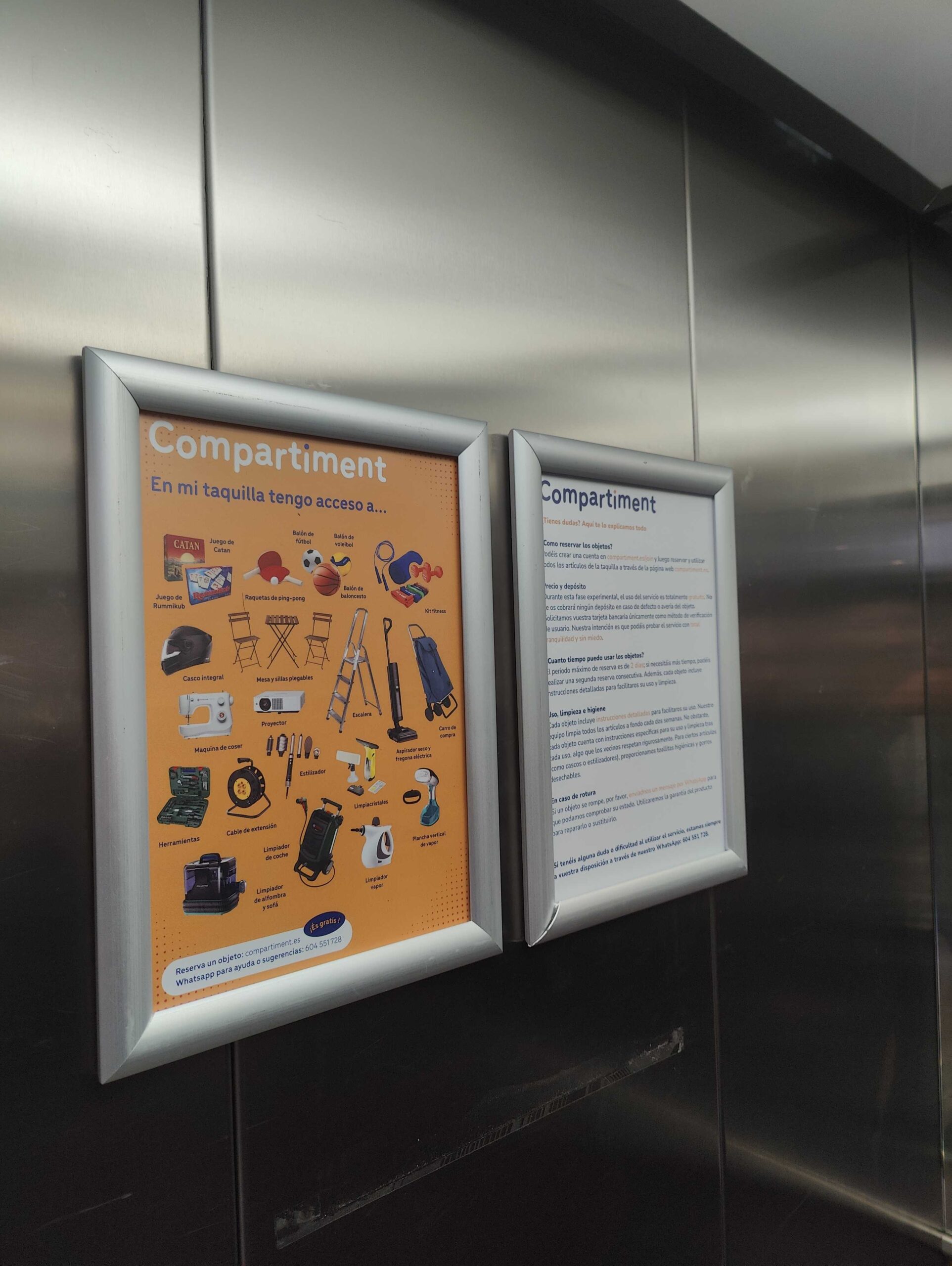
Armed with these findings, we designed a set of targeted interventions: we refreshed and expanded the item catalogue to focus on practical household needs; created a visual poster residents could pin to their fridge as a constant reminder of what was available; installed an FAQ directly in the elevator to address hygiene and payment concerns in the moment; and hosted a community event to bring the upgrades to life and rebuild momentum around the service.
The results were immediate and significant: following the interventions, the number of borrows doubled. The project demonstrated that for consumer-facing circular services, the details matter enormously, and co-creation is the most reliable way to find them. It also reinforced that building adoption is not a one-off campaign but a continuous process of relationship-building with users, requiring the right research methods and the interpersonal skills to surface what people truly experience.