
• Urban

How the Healthy Cities Generator Integrates Health into Urban Planning

In recent years, the conversation around urban planning has shifted. It is no longer enough for cities to be sustainable, they must also be healthy. However, many municipalities will still question, “How do we measure health impact?” and “How do we quantify financial savings?”

At Bax, we have seen the Healthy Cities Generator (HCG) emerge as the missing link. Recently featured in both the Dutch ROmagazine and the Spanish El Periódico, the tool is proving its value by turning complex health data into visible and practical urban design.

During our interview with ROmagazine, Cynthia Kootker, Project Leader of the Municipality of Dijk en Waard, highlighted the impact of our visual approach:

“What immediately appealed to me was that they combine social data and geodata and make everything visual. Those spider diagrams are so clear! I thought: this can really help us to engage in dialogue with our social partners and to set priorities within the municipality.”

– Cynthia Kootker

The success of the HCG is best seen through its application in diverse urban developments. Two recent case studies demonstrate its versatility:

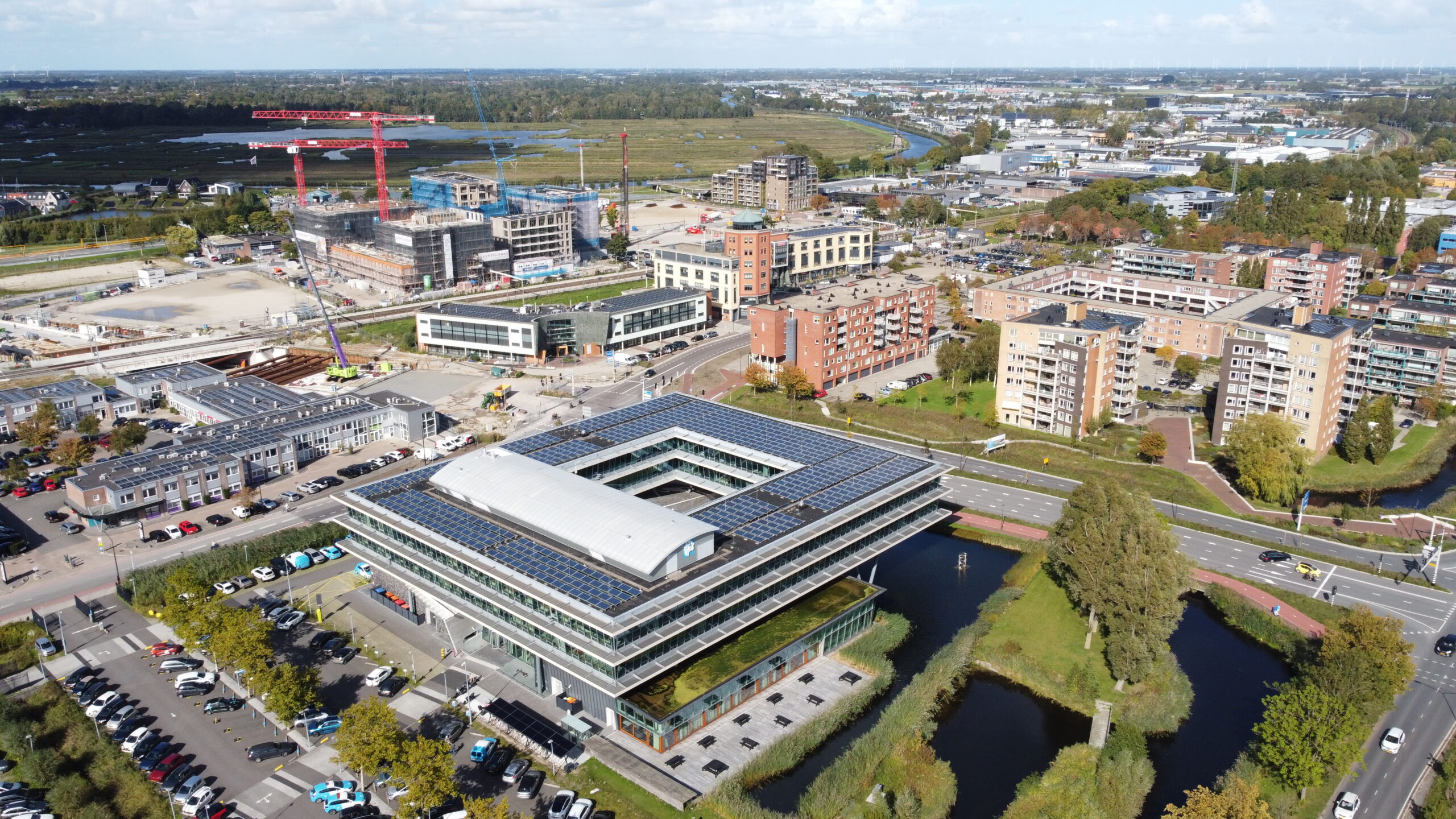
  1. Heerhugowaard, Netherlands: Planning for a Growing Community

In the Stationskwartier of Dijk en Waard, the municipality is tackling a massive redevelopment project. The challenge was to ensure that the rapid growth of housing didn’t come at the cost of resident well-being, particularly for the elderly.

Healthy Cities used the tool to conduct a “Healthy Neighborhood Scan,” combining spatial geodata with social indicators. The tool produced clear spider diagrams that mapped out exactly where the project could improve inhabitants’ health, for instance on walkability and social cohesion.

Cynthia Kootker sees the application of Healthy Cities Generator as a starting point:

“I hope the Healthy Cities report will serve as the starting point for the further development of the Stationskwartier. And that this will allow us to structurally build on collaboration with the GGD, housing corporations, and welfare partners.”

– Cynthia Kootker

By using the Generator, we were able to gain more insights on how both existing and future residents will benefit from the new development.

Access the original ROmagazine article (in Dutch) here.

Click here for more insights about the project.

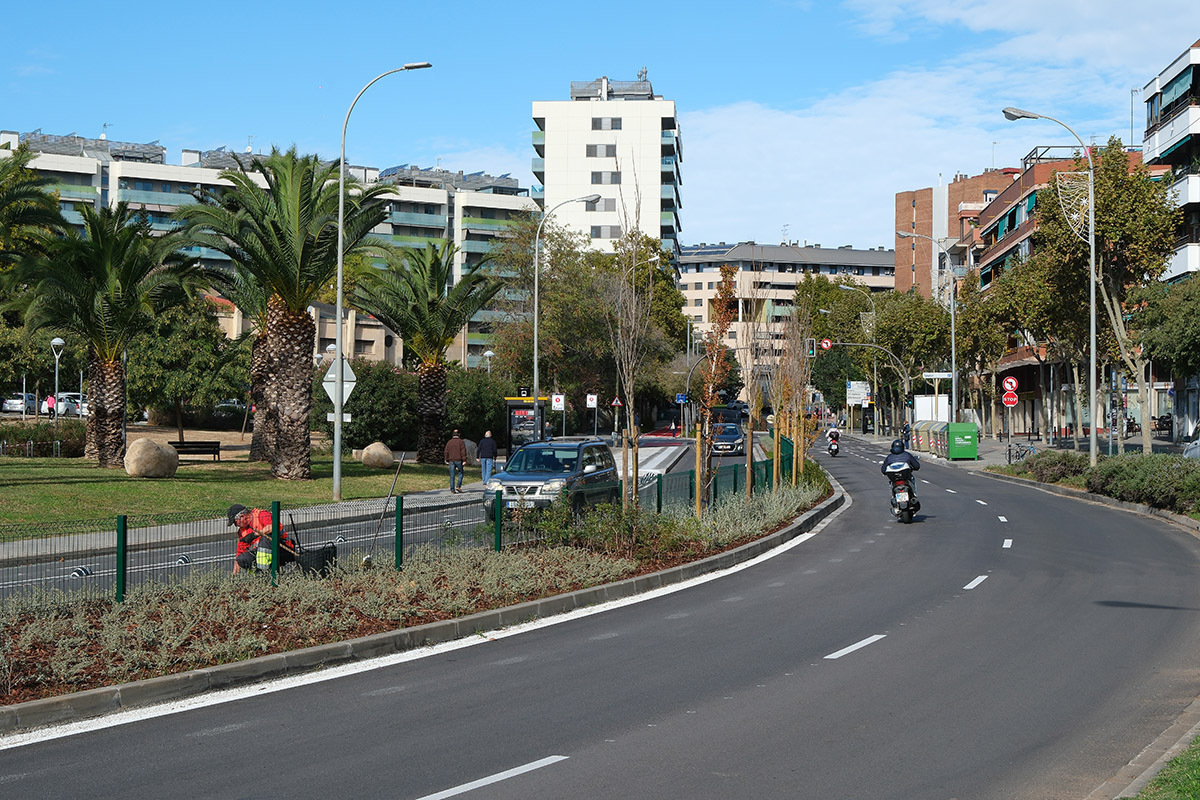
  1. Cornellà de Llobregat, Spain: Measuring a Decade of Transformation

In Catalonia, HCG was used to evaluate the long-term impact of the Cornellà Natura programme. This study gained significant attention in El Periódico for its ability to put a price tag on health.

The tool analysed 27 major interventions, resulting in 12,279 m² of new pedestrian space, a 12% increase in green space, over 10 km of new cycling infrastructure, and a 11.8% reduction in CO₂ emissions since 2018.

It estimated a potential health cost saving of €218 per person, per year. This data provided the City Council with the evidence needed to justify continued investment in green infrastructure.
Access the original article (in Spanish) here.

Click here for more insights about the project.

Healthy Cities Builds Bridges

The Healthy Cities Generator is more than just a calculator, it is a comprehensive decision-support system. By linking spatial and social data, we enable municipalities to visualise health impacts. This allows urban planners, developers, but also professionals from the social and public health domain to align on the same data and speak a shared language throughout the urban development process.

Get in touch

If you are interested in learning more about the Healthy Cities Generator and how it can be used to help your neighbourhood, get in touch with us.

Anne van Bergen
Health
Nature
Marta Rofín Serrà
Health
Urban
Sebastiaan van Herk, PhD
Nature
Urban
Ruth Gow McLenachan
Urban
Celia García Albertos
Urban